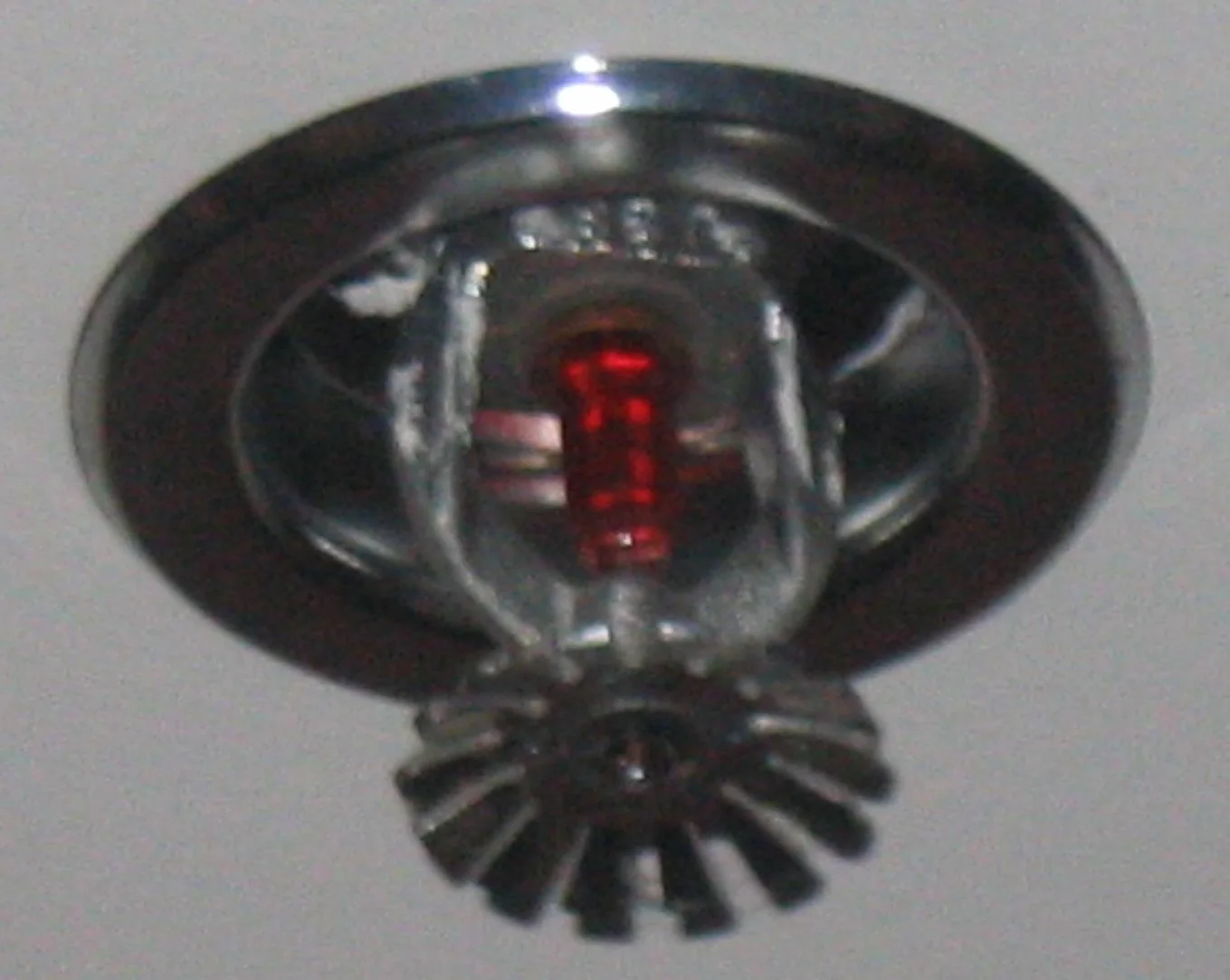
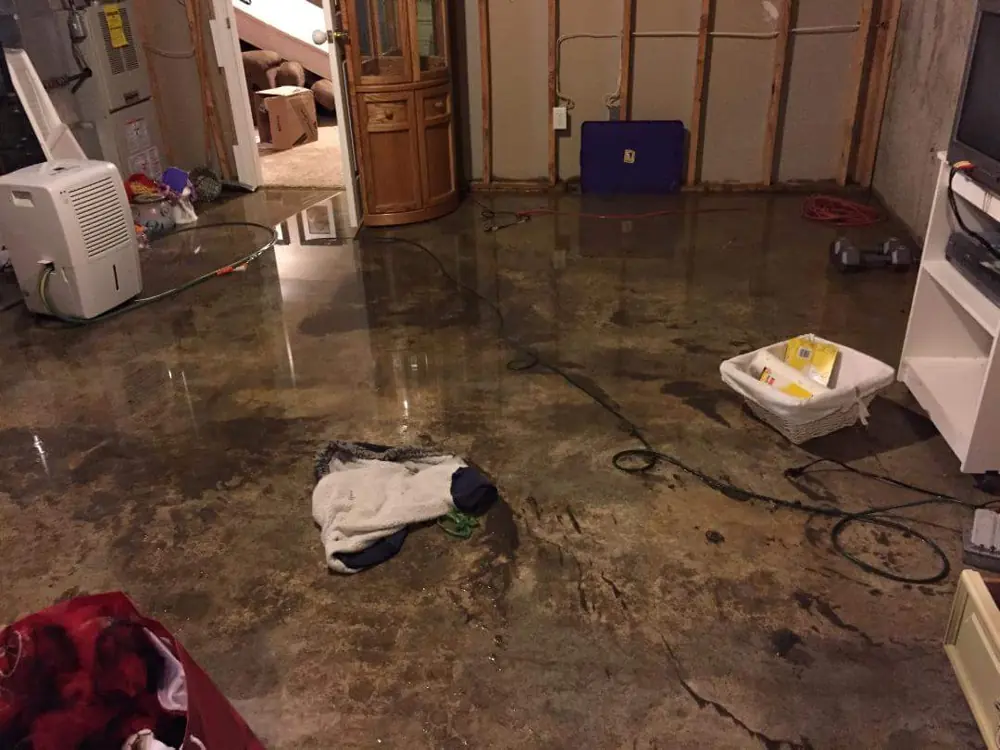
A single fire sprinkler head can release well over a hundred gallons of water a minute, and in newer Denton apartments, townhomes, and mixed-use buildings with sprinkler systems, an accidental or freeze-triggered discharge can soak a unit or an entire floor in minutes. A crew responds in about an hour to begin extraction.

The crew confirms the sprinkler system has been shut off or the affected head isolated before extraction begins.
Standing water is extracted from flooring across the affected unit, and any unit below is checked for water intrusion through the ceiling.
Meters and thermal imaging trace water into flooring, drywall, and ceiling cavities across all affected levels.
Industrial drying equipment is staged to bring the space to a verified dry standard, with full documentation for the property's insurance claim.

While help is on the way, these first steps, done only where it is safe, limit the damage and protect the insurance claim.
Shut the supply off at the source, or close the home's main valve if the source is not obvious. Stopping the flow limits the damage more than anything else.
Switch off electricity to the affected area, but only if the breaker can be reached without standing in or touching the water.
Get a crew dispatched right away. The sooner extraction and drying begin, the more flooring, drywall, and belongings can be saved.
Take photos and a short video of the water and the affected rooms before anything is moved, so the insurance claim starts strong.
Sprinkler discharge cleanup costs scale with how many units or how much square footage was affected, since a single head can flood a large area fast. A contained discharge in one room might run $1,500 to $4,000. A discharge affecting a full unit, or one that reaches the unit below, commonly runs $6,000 to $15,000 or more once ceiling, flooring, and drywall repairs are included. Property and renters policies typically cover this type of sudden water release, and thorough documentation supports claims involving multiple affected parties.
Crews reach Denton, Denton County, and the surrounding North Texas communities fast, from Downtown Denton, the Oak-Hickory Historic District, and Southridge to Corinth, Highland Village, Little Elm, and Lewisville. See the full list on the areas served across Denton page.
See all areas servedEvery loss is photographed, measured, and logged from the first visit, so the paperwork holds up with the insurance carrier.
Technicians follow recognized IICRC drying standards and prove it with daily moisture readings on Denton homes, not guesswork.
Emergency dispatch any hour of the day or night, with a real crew on the way across North Texas, not a callback in the morning.
A real crew dispatched any hour, not a callback in the morning.
Trained technicians following recognized IICRC drying standards.
Truck-mounted, portable, and submersible for any size loss.
The loss is documented and billed to the carrier directly.
A single activated fire sprinkler head commonly releases well over a hundred gallons of water per minute, which is why fast extraction matters even though sprinkler discharges are less frequent than other water losses.
Common causes include physical damage to a sprinkler head, a frozen line in an unheated space, or a system malfunction. True fire-related discharges are comparatively rare.
Often, yes, especially in multi-story buildings. Water falling from ceiling height and pooling on a floor frequently finds its way into the ceiling of the unit below, so both spaces are checked.
Sudden accidental discharge is typically covered under property or renters policies. Documentation of the cause and extent supports the claim for whichever party is affected.
Immediately. Given the volume of water involved, extraction should start as soon as the system is confirmed shut off to limit how far water spreads through flooring and ceilings.
Denton crews are on call 24 hours a day, local and fast, and can be on the way within the hour.
Call (940) 412-8500