
Denton Splash Savers · Lake Dallas, Texas · Open 24/7
Wet Insulation Removal Services Lake Dallas, Texas
- Over 200 5-Star Reviews
- Free Estimates and Quotes
- 24-Hour Emergency Service
- Fully Licensed & Insured
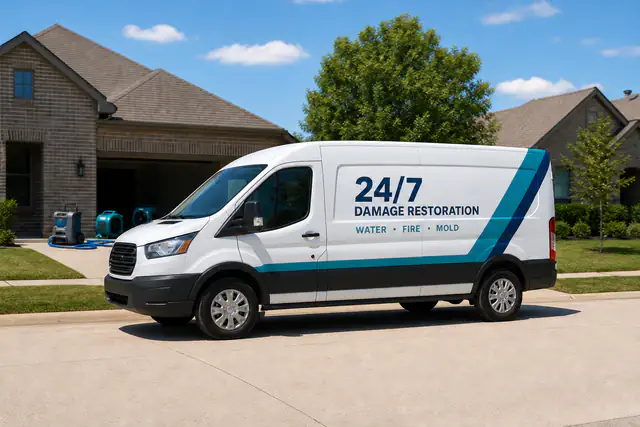
Wet Insulation Removal Services in Lake Dallas, Texas
Possible Causes of Wet Insulation
Wet insulation in your home can often be traced back to unexpected water intrusions. Common causes include burst or leaking pipes, plumbing failures, or roof leaks. In many cases, heavy rainstorms or storms with intense wind can allow water to seep into your attic or wall cavities, adversely affecting the insulation.
Another frequent reason for saturated insulation is HVAC system leaks or condensation buildup. When warm, moist air interacts with cooler surfaces, it creates condensation, which can accumulate within insulation materials. Over time, this persistent moisture promotes mold growth and reduces the effectiveness of your insulation, leading to higher energy bills and compromised indoor air quality.
How Can We Fix Wet Insulation in Your Home
Our team begins by thoroughly inspecting the affected areas, including attics, walls, and crawlspaces, to identify the source of moisture. Pinpointing the root cause ensures that we can address not only the saturated insulation but also prevent future water damage issues.
Once the source of water intrusion is identified, we carefully remove the wet or moldy insulation, taking extra precautions to prevent the spread of mold or debris. We utilize specialized techniques and equipment designed for efficient removal and containment, ensuring your living space remains clean and safe.
After removing the damaged insulation, we thoroughly dry the area using industrial-grade dehumidifiers and high-powered drying fans. Our experts ensure that all moisture is eliminated, and the environment is restored to its pre-damage condition. If necessary, we also recommend replacing insulation with more resistant or upgraded materials to enhance future moisture resistance.
Why Are We the Best Choice for Wet Insulation Removal?
Our team has extensive experience in handling water damage restoration, particularly in attic and wall insulation scenarios. We understand the unique challenges that come with detecting hidden moisture and mold, and we use advanced moisture detection tools to precisely locate affected areas.
What sets us apart is our commitment to thoroughness and customer satisfaction. We follow all industry best practices and regulations, ensuring a safe, long-lasting solution. Our team is available 24/7 to respond promptly to emergencies, minimizing damage and costs.
Additionally, we prioritize eco-friendly and safe restoration methods. We work diligently to prevent the spread of mold and bacteria, and we ensure your home is not only dry but also healthy once our job is complete. Call us today at (940) 412-8500 for expert assistance that you can trust.
Frequently Asked Questions
How do I know if my insulation is wet?
Signs of wet insulation include a damp or musty smell in your attic or walls, visible mold growth, or staining on ceiling and wall surfaces. Fluctuating energy bills can also indicate insulation isn’t performing well due to moisture damage.
Can wet insulation be restored instead of replaced?
In some cases, minor moisture can be dried out if detected early. However, mold growth or prolonged saturation typically requires removal and replacement to ensure a healthy indoor environment. Our experts will assess the condition and recommend the best solution.
What are the health risks of wet insulation?
Wet insulation can harbor mold, bacteria, and dust mites, which pose health risks like allergies or respiratory issues. Proper removal and drying are crucial to maintain a safe, healthy home environment.
How long does the removal process take?
The duration varies depending on the extent of water damage and the size of affected areas. Typically, removal and drying can take anywhere from a few hours to a couple of days. Our team works efficiently to restore your insulation promptly.
What should I do if I suspect water damage in my insulation?
If you notice any signs of moisture or suspect water intrusion, contact our experts immediately at (940) 412-8500. Early intervention can prevent further damage, mold growth, and expensive repairs in the future.
Need help with wet insulation removal services?
Call Denton Splash Savers any time, 24 hours a day, 7 days a week.