
Denton Splash Savers · Lewisville, Texas · Open 24/7
HVAC Mold Remediation Lewisville, Texas
- Over 200 5-Star Reviews
- Free Estimates and Quotes
- 24-Hour Emergency Service
- Fully Licensed & Insured
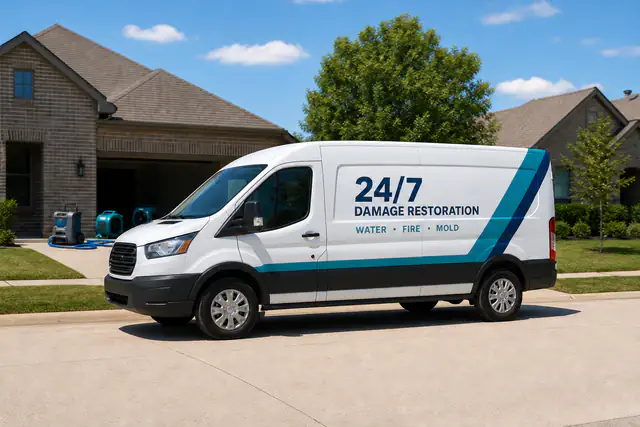
HVAC Mold Remediation Services in Lewisville, Texas
Dealing with mold growth in your HVAC system can be a stressful experience. It’s a common problem that many homeowners and business owners face, especially after experiencing water damage or high humidity levels. When mold takes hold within your HVAC ducts or system components, it can affect indoor air quality and pose health risks to your family or employees. Protecting your property and your loved ones requires quick, professional action from experienced mold remediation experts.
Our team provides comprehensive HVAC mold remediation services designed to eliminate mold growth effectively. We understand the unique challenges of mold in HVAC systems and use proven techniques to restore health and safety to your indoor environment. If you suspect mold in your HVAC, don’t wait—call us today at (940) 412-8500 for immediate assistance.
Possible Causes of HVAC Mold Growth
Mold in HVAC systems often begins with excess moisture. This can result from leaks, high humidity, or condensation within ductwork and air handlers. When moisture remains trapped inside these components, mold spores settle and grow rapidly, spreading throughout your air distribution system. Over time, this can lead to persistent musty odors and compromised indoor air quality.
Another common cause is inadequate maintenance. Dust and debris accumulation inside HVAC units create an ideal breeding ground for mold when combined with moisture. Poor ventilation and irregular cleaning schedules can exacerbate these issues, allowing mold to flourish unnoticed. Recognizing these causes is the first step towards preventing or addressing mold growth in your HVAC system.
How Can We Fix That?
Our experts begin with a thorough inspection of your HVAC system to identify the extent of mold contamination. We use specialized equipment to detect hidden mold in ductwork, air handlers, and other components that are often out of sight. This step ensures a comprehensive approach to mold removal and system cleaning.
Once the affected areas are identified, we employ advanced mold remediation techniques. This includes specialized cleaning agents and high-efficiency particulate air (HEPA) filtration to remove mold spores effectively. We also address underlying moisture issues by fixing leaks and improving ventilation, so mold does not return.
After cleaning, our team conducts a gentle sterilization process to eliminate any remaining spores. We ensure your HVAC system is restored to a safe, healthy condition, helping improve indoor air quality and reducing allergy or respiratory symptoms caused by mold exposure. Our goal is to deliver a complete solution that safeguards your indoor environment long-term.
Why Are We the Best in That Case?
Our team possesses years of experience specifically with HVAC mold remediation in Lewisville and surrounding areas. We stay up-to-date with the latest industry standards, so you can trust our methods to be effective and safe. Our technicians use state-of-the-art equipment to detect and eliminate mold thoroughly, ensuring no corner is left untreated.
Customer satisfaction is our top priority. We provide detailed assessments and transparent communication throughout every step. Our specialists work efficiently to minimize disruption to your daily routine while delivering outstanding results. When you call us at (940) 412-8500, you’re choosing a trusted team committed to restoring your indoor environment to health and safety.
We believe that proactive maintenance and rapid response are key to preventing recurring mold issues. Our experts educate homeowners and businesses about best practices for HVAC maintenance, helping you keep mold at bay. With our comprehensive approach, you can enjoy peace of mind knowing your indoor air quality is protected.
Frequently Asked Questions
How do I know if my HVAC system has mold?
Signs of mold include a musty smell, visible mold growth on components, or recurring respiratory issues for occupants. If your system produces noticeable odors or you experience allergy symptoms, it’s wise to schedule an inspection.
Is HVAC mold remediation safe for my family and pets?
Yes, when performed by trained professionals using safe, EPA-approved methods. Our team ensures that all mold spores and contaminants are thoroughly removed, restoring a safe indoor environment for everyone.
How long does the mold removal process take?
The duration depends on the extent of the contamination. Typically, it takes between one to three days to complete thorough mold remediation, including inspection, cleaning, and system sterilization.
Can mold grow again after remediation?
While proper remediation greatly reduces the risk of regrowth, addressing underlying moisture issues is essential. Our team also provides tips for ongoing maintenance to keep mold from returning.
What should I do if I suspect mold in my HVAC system?
Contact us immediately at (940) 412-8500 so our specialists can assess your system. Early intervention prevents further contamination and protects your indoor air quality.
Need help with hvac mold remediation?
Call Denton Splash Savers any time, 24 hours a day, 7 days a week.